Backstone Fabric Font for Bold Handmade Labels
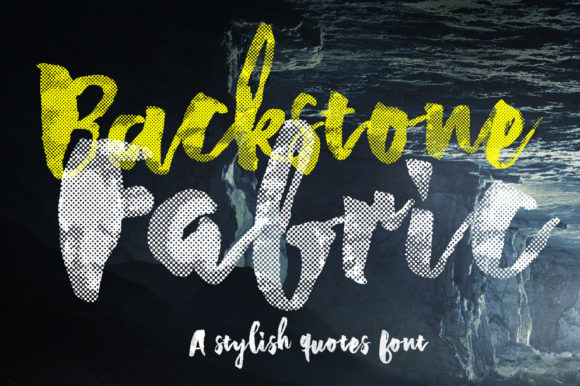
Sitting at my workbench with a stack of blank kraft labels and a fresh cup of coffee, I often find myself searching for that perfect typeface to anchor a new product line. When I first loaded Backstone Fabric into my design software, I knew immediately that this cool, bold, and thick lettered display font was exactly what my handmade candle collection needed to stand out on a crowded shelf. As makers and creative sellers, we understand that typography is not just about reading words; it is about feeling the texture of a brand before a customer even touches the product. This specific typeface brings a substantial, tactile weight to digital designs that translates beautifully onto physical merchandise, transforming simple packaging into a premium unboxing experience.
Backstone Fabric for Candle Labels and Product Packaging
When designing for physical goods, Backstone Fabric proves itself as an exceptional choice among display fonts because its thick strokes maintain integrity during the printing and cutting process. In my recent project creating labels for soy wax candles, I needed a title font that could compete with the visual noise of colorful wax and textured glass jars without looking cluttered. The bold architecture of this font allowed me to use shorter, punchier product names like "Amber" or "Cedar" while retaining complete legibility at smaller sizes. Unlike thinner script fonts that can get lost on matte paper or vinyl stickers, the sturdy letterforms here provide a solid foundation that feels intentional and high-quality.
For fellow Etsy sellers and boutique owners, using this typeface on packaging creates an immediate sense of established brand identity. I tested the font on both glossy sticker paper and uncoated cardstock tags, and the results were consistently crisp. The thickness of the letters means there is less risk of ink bleeding or cutting errors when using a Cricut or Silhouette machine for die-cut labels. This reliability is crucial when you are producing batches of fifty or more items and cannot afford material waste. By anchoring your label design with such a confident display font, you elevate the perceived value of the entire product, signaling to customers that the same care went into the typography as went into the handmade item inside.
Readability Tips for Die-Cut Stickers and Vinyl Decals
- Test Cut Settings: Because Backstone Fabric has thick strokes, ensure your blade depth is sufficient to cut through vinyl cleanly without tearing the inner counters of letters like 'A' or 'O'.
- Mind the Kerning: While the font is naturally bold, slightly increasing letter spacing can improve readability on curved surfaces like mugs or tumblers where distortion occurs.
- Contrast is Key: Pair this heavy typeface with light or neutral background colors to maximize visibility on product photography and listing thumbnails.
- Avoid Over-Scaling: Keep the font size proportional to the label area; overwhelming a small tag can make the design look cramped rather than bold.
Backstone Fabric for Apparel Creations and Tote Bag Designs
Moving from paper goods to textiles, Backstone Fabric shines brilliantly when employed on apparel creations where durability and visual impact are paramount. I recently designed a series of canvas tote bags for a local market pop-up, and I needed a font that felt structural and woven, much like the fabric itself. The geometric yet organic weight of this display font mimics the texture of screen printing or heat transfer vinyl, making it ideal for merchandise that needs to be read from a distance. When designing for shirts, sweatshirts, or bags, the goal is instant communication, and the cool, assertive personality of this typeface delivers that message without requiring excessive decorative elements.
For printable creators selling SVG files or digital templates for crafters, including Backstone Fabric in your arsenal offers immense value to buyers looking for modern, gender-neutral aesthetics. It avoids the overly cursive or delicate vibe that saturates the handmade market, offering instead a refreshing alternative that appeals to a broader demographic. Whether you are creating a "Mama" sweatshirt design or a minimalist graphic tee, the thick lettering ensures the design remains opaque and vibrant after washing. When preparing mockups for your shop listings, this font photographs exceptionally well because its bold lines create natural shadows and depth, making your digital previews look like professional editorial spreads rather than flat computer renderings.
Fabric Application Best Practices for Makers
- Heat Transfer Vinyl (HTV): The solid nature of Backstone Fabric makes it perfect for HTV, as there are no thin serifs to peel up during the weeding process.
- Screen Printing: Use this font for main headlines on posters or shirts; the thick strokes hold ink beautifully and prevent pinholing on mesh screens.
- Embroidery Digitizing: While primarily a display font, its uniform stroke width can be adapted for satin stitch embroidery if scaled appropriately for hoop size.
- Digital Mockups: Always showcase apparel designs on textured fabric backgrounds to highlight how the font's weight interacts with real-world materials.
Backstone Fabric for Posters and Printable Wall Art
In the realm of digital downloads and home decor, Backstone Fabric serves as a powerful anchor for posters and large-format printables that demand attention. As a printable creator, I have found that customers often struggle to visualize how a digital file will look when blown up to 16x20 inches or larger. This font solves that anxiety by providing inherent stability; it does not pixelate or look wispy when expanded. When designing motivational quotes, nursery art, or kitchen signs, the cool and bold character of the typeface adds a contemporary edge that fits perfectly in modern farmhouse, industrial, or Scandinavian interiors. It transforms a simple phrase into a graphical element that functions as art in its own right.
Furthermore, when creating social media graphics or Pinterest pins to promote these printables, Backstone Fabric ensures your text is readable on mobile screens. Display fonts are specifically engineered for this purpose—to grab attention in headlines and titles—and this particular family excels in high-contrast environments. I often use it for the primary keyword in my listing images, knowing that the thick letterforms will remain distinct even when the image is shrunk down in search results. For makers selling editable Canva templates or Corjl files, offering this style gives your customers a tool that guarantees their DIY projects will look professionally typeset, reducing the learning curve for non-designers who want beautiful results.
Font Pairing Strategies with Backstone Fabric for Brand Consistency
To maximize the versatility of Backstone Fabric, understanding how to pair it with complementary fonts is essential for cohesive branding across all your handmade products. Because this is such a dominant, thick-lettered display font, it requires a supporting cast that provides breathing room and hierarchy. In my own shop branding, I pair it exclusively with clean, lightweight sans serif fonts for body copy and ingredient lists. The contrast between the heavy, cool presence of Backstone and the airy neutrality of a simple sans serif creates a sophisticated balance that prevents designs from feeling top-heavy or aggressive. This combination works exceptionally well on wedding welcome boards where the couple’s names need grandeur but the logistical details require understated clarity.
Alternatively, for a more eclectic or vintage-inspired aesthetic, try pairing this bold display typeface with a delicate handwritten or script font. The juxtaposition of the structured, thick letters against fluid, organic curves creates a dynamic tension that feels curated and artistic. This strategy is particularly effective for greeting cards and seasonal packaging where you want to convey warmth alongside modern style. However, always remember to check the commercial licensing terms included with your font purchase before applying these pairings to products for sale. Ensuring you have the correct rights for physical merchandise, digital templates, and logo usage protects your business and allows you to build a lasting brand identity with confidence. By treating typography as a core component of your craft, rather than an afterthought, you create products that resonate deeply with customers and stand the test of trends.